
Egypt and its Nile World Heritage
A journey along the Egyptian Nile through six UNESCO World Heritage Sites and the cultures they hold: the pyramid fields of Memphis, Islamic Cairo, the early Christian city of Abu Mena, the temples of Thebes, and the Nubian monuments of the deep south. The route follows the river to the edge of ancient Egypt, where a single Nile civilisation once reached far beyond today's borders, into the Kingdom of Kush.
The Egyptian Nile is travelled in full. Its southern continuation, into Nubia and the Ethiopian highlands, is currently not travellable and is told here as history.
Cairo · Abu Mena · Luxor · Nile Cruise · Aswan · Abu Simbel
A Single River, Four Cultures
This journey follows the Egyptian Nile through six UNESCO World Heritage Sites, and they hold more than one culture. The pharaonic core runs from the pyramid fields of Memphis to the temples of Thebes and the Nubian monuments of the far south. Beside it stand the Islamic city of Cairo and, at the northern mouth of the river, the early Christian pilgrimage city of Abu Mena, whose faith would travel the length of the corridor and take root as far south as Aksum. Egypt's single natural site, the fossil valley of Wadi Al-Hitan, lies off the river and is offered as an optional extension. Pharaonic, Islamic, Christian and natural heritage, threaded by one river.
What gives this journey its depth is the river itself. The Nile was never only Egyptian. For three thousand years it carried a continuous civilisation that reached far south of today's borders, into Nubia and the Kingdom of Kush in what is now Sudan. The relationship ran both ways: Egypt's New Kingdom built temples deep into Nubia, and around 730 BCE a line of Nubian kings, the rulers of the Twenty-fifth Dynasty, conquered Egypt in turn and ruled the entire Nile Valley from the Mediterranean to the heart of Africa. For nearly a century the pharaohs of Egypt were Nubian.
This route is travelled by river and by air. The sail between Luxor and Aswan is the heart of the journey, the slow approach to the temples from the water, ideally aboard a dahabiya, the traditional sailing boat of the nineteenth-century Nile. The river is best understood by travelling it, not by flying over it. Where distances are long, between Cairo and Luxor, or out to Abu Simbel and the desert sites, scheduled flights, private charter or helicopter carry the journey forward. The route ends in the deep south, at Abu Simbel, on the threshold of Nubia, where the corridor reaches the edge of what can be travelled today.
The Nile Corridor, Traced by Cruise and Air
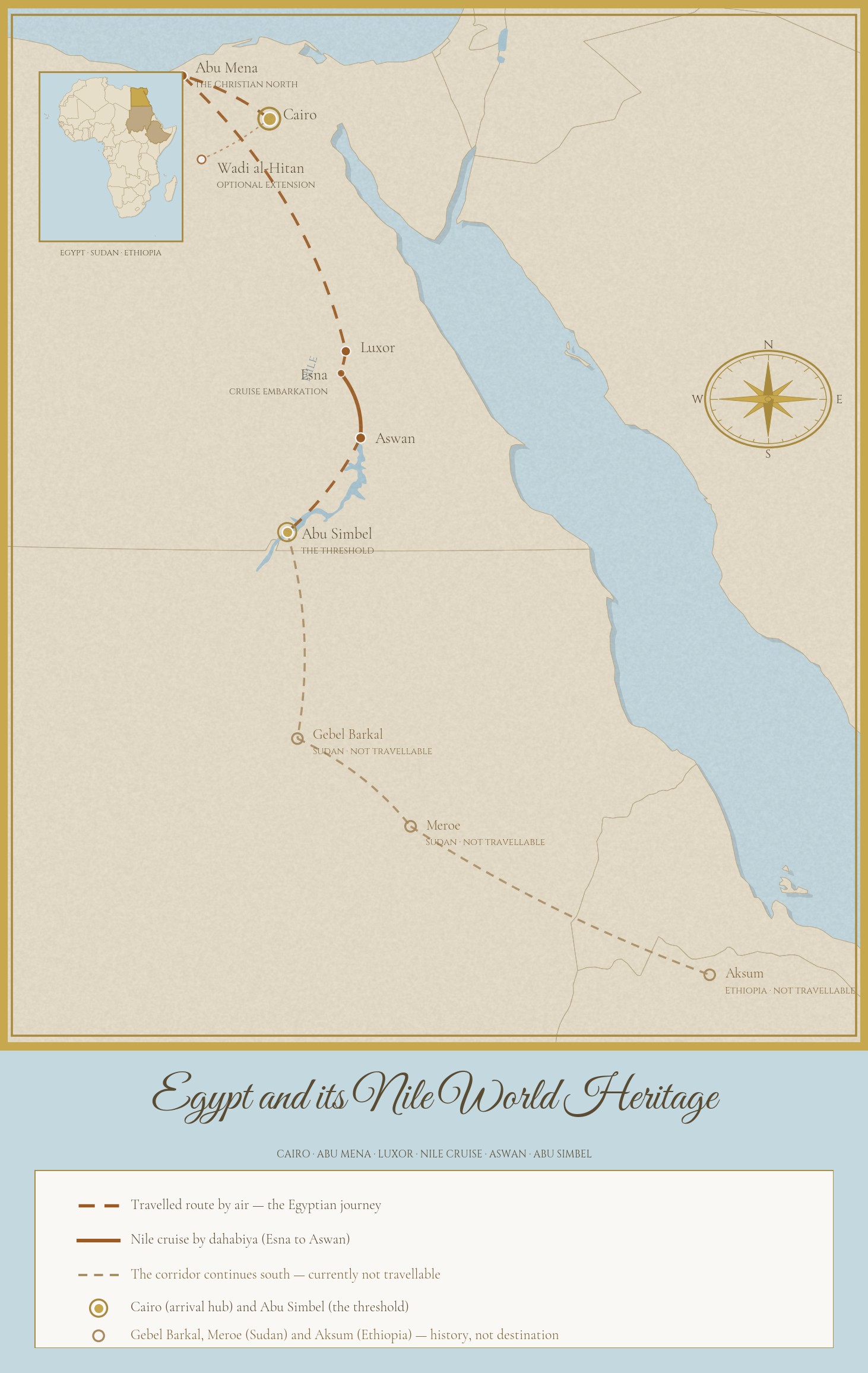
The Egyptian journey is shown as a continuous line, by Nile cruise and air. South of Abu Simbel, the dashed line traces the historical continuation of the corridor: the Kushite sites of Gebel Barkal and Meroe in present-day Sudan, and Aksum in the Ethiopian highlands. These are currently not travellable for security reasons but are central to the story this route tells.
Cairo — Pyramids and the Islamic City
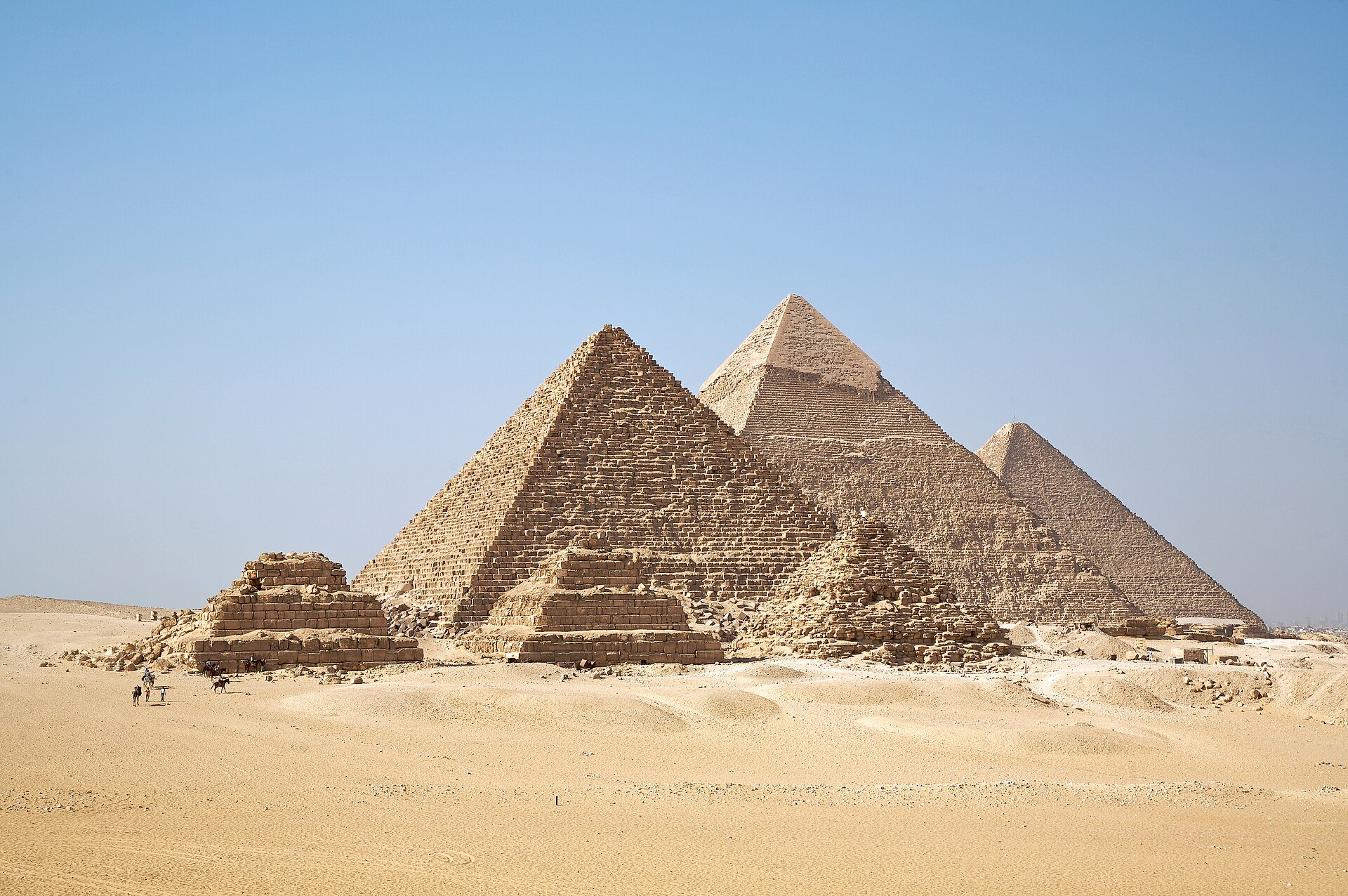
Arrive in Cairo. Memphis and its Necropolis (UNESCO 1979) holds the pyramid fields from Giza to Saqqara and Dahshur, among the most significant monuments of the ancient world. The Great Pyramid, the Sphinx, the Step Pyramid of Djoser and the Bent Pyramid trace the evolution of pyramid building across the Old Kingdom.
Historic Cairo (UNESCO 1979) is one of the oldest Islamic cities in the world, with over six hundred listed monuments from the seventh to the twentieth century: mosques, madrasas, fountains and gates. Time also for the Grand Egyptian Museum and the treasures of the pharaonic collection.
Abu Mena — The Christian North
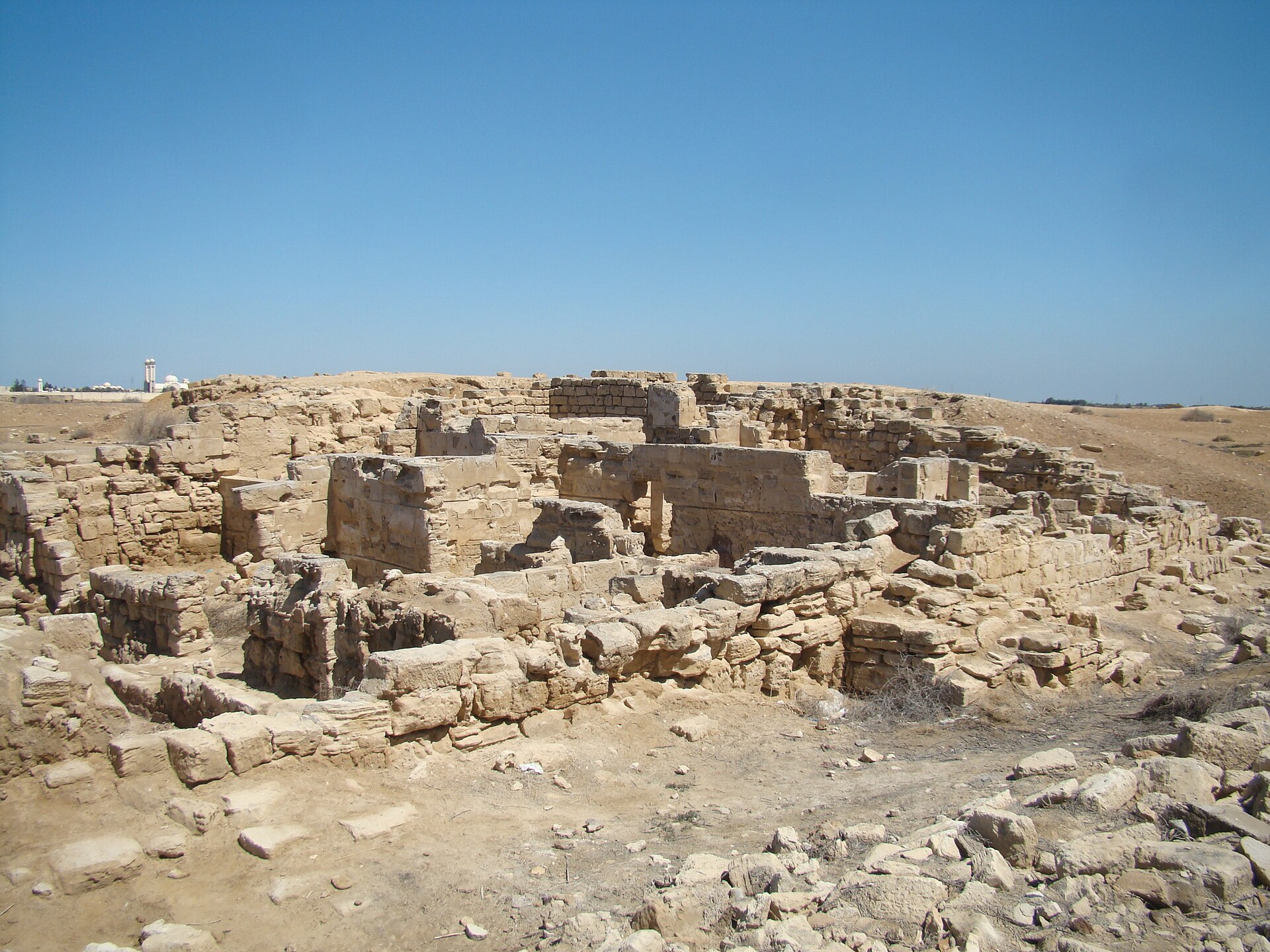
Abu Mena (UNESCO 1979) rose around the tomb of Saint Menas, becoming one of the great early Christian pilgrimage cities of late antiquity, with basilicas, baths and a vast pilgrim quarter. It stands at the northern mouth of the Nile world, where the river meets the Mediterranean, and where Christianity first took root in Egypt before travelling up the river.
This is the Christian layer of the corridor, and it is not the only one. The same faith that flourished here spread south along the Nile and, in the same centuries, took hold in the highland kingdom of Aksum. Abu Mena in the north and Aksum in the south stand as the two Christian ends of a single river world.
Luxor — Ancient Thebes
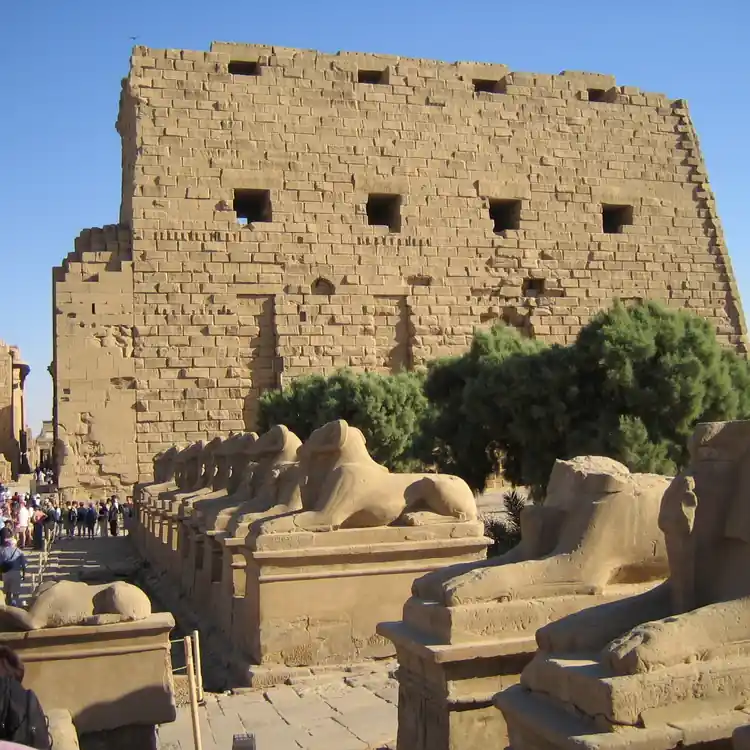
Ancient Thebes with its Necropolis (UNESCO 1979) is the heart of pharaonic high civilisation. On the east bank, the vast temple complex of Karnak and the Luxor Temple; on the west bank, the Valley of the Kings, the Valley of the Queens and the mortuary temple of Hatshepsut. Among the columns of Karnak stand the additions of the Nubian pharaohs of the Twenty-fifth Dynasty, the first thread of the corridor the journey will follow south.
Time here is unhurried: dawn over the Theban hills, the tombs of the nobles, an optional balloon flight over the west bank.

The Nile Cruise — Luxor to Aswan
The slow heart of the route. A short transfer from Luxor reaches the dahabiya's mooring at Esna, and from there the boat sails south. The river passes the temples of Edfu and Kom Ombo, and quieter places the larger ships cannot reach, El Kab and the sandstone quarries of Gebel el-Silsila, each approached from the water as travellers have come to them for millennia. The landscape along the banks, the fields, the palms, the villages, has changed little since the time of the pharaohs.
This is the stretch that gives the route its meaning: to understand the Nile is to travel it slowly. Our preferred vessel is the dahabiya, the traditional two-masted sailing boat of the nineteenth-century Nile, carrying only a handful of guests. It moves with the river rather than against it, anchors where the larger ships cannot, and times its arrivals for the quiet hours. For those who prefer the wider amenities of a larger vessel, a luxury cruiser is the comfortable alternative.
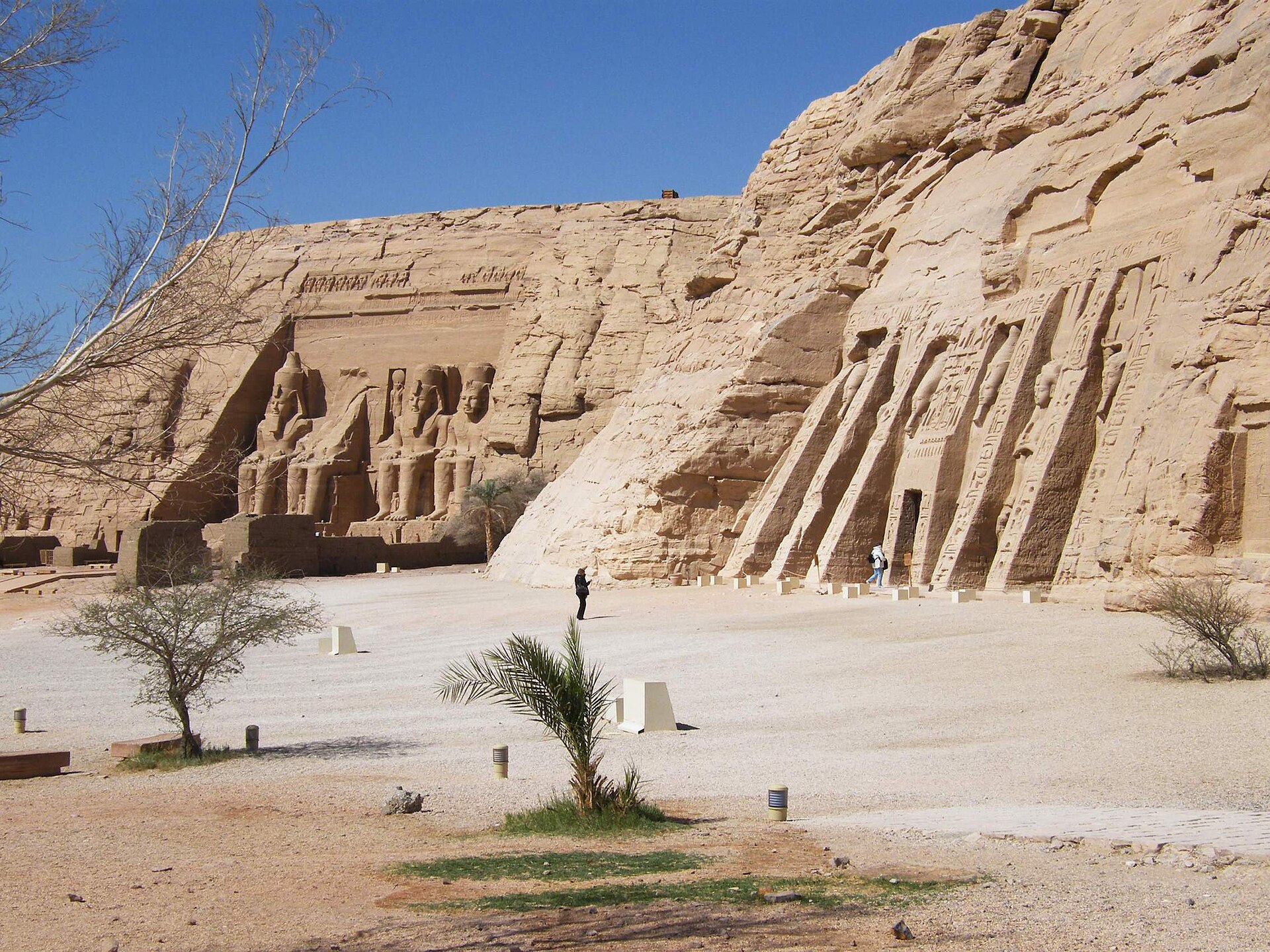
Aswan and Abu Simbel — The Edge of Nubia
Nubian Monuments from Abu Simbel to Philae (UNESCO 1979) close the Egyptian journey. At Aswan, the Temple of Isis at Philae; to the south, the colossal rock temples of Abu Simbel, raised by Ramesses II at the very edge of pharaonic Egypt and moved stone by stone in the 1960s to escape the rising waters of Lake Nasser.
Abu Simbel is the threshold. It was built to mark the southern frontier of Egypt and to face the lands beyond. Upstream from here, along the same Nile, lay the Kingdom of Kush, its capitals at Napata and Meroe. The corridor that this route follows reaches its travellable end at this point, and its historical continuation lies just beyond.
The Corridor Continues South
The journey above ends at Abu Simbel, at the southern edge of pharaonic Egypt. But the civilisation of the Nile did not end there. Upstream, along the same river in what is now northern Sudan, lay the Kingdom of Kush, one of the great African civilisations of the ancient world, and for nearly a century the seat of the pharaohs who ruled Egypt itself. Further south still, where the Nile valley gives way to the Ethiopian highlands, the kingdom of Aksum looked out toward the Red Sea.
Around 730 BCE, King Piye marched north from the Nubian capital of Napata and brought the entire Nile Valley, from the heart of Africa to the Mediterranean, under a single ruler for the first time since the New Kingdom. His line, the Twenty-fifth Dynasty, ruled Egypt as legitimate pharaohs. They restored the old temples, revived the worship of Amun, and brought back pyramid building after it had lapsed in Egypt for a thousand years. In time more pyramids would stand in Nubia than in Egypt. When Assyrian armies drove them from Egypt, the Kushite kings withdrew south, first to Napata and then to Meroe, where their civilisation flourished for another seven hundred years, with its own script, its own gods, and queens, the Kandakes, who fought Rome to a standstill. At the far southern end of this world, where the Nile valley meets the highlands of the Horn, the kingdom of Aksum rose in turn. Aksum looked east to the Red Sea as much as it looked to the Nile, and the two civilisations traded and contended at the edges of their spheres. It was in contact with the late Meroitic world as that kingdom declined, and like Egypt before it, Aksum became one of the earliest states to adopt Christianity. Its giant carved stelae mark the southern limit of the corridor this route traces.
Three UNESCO World Heritage Sites mark this southern reach of the corridor: two in Nubia, in present-day Sudan, and one in the Ethiopian highlands where the Nile world met the Red Sea. They are described here because the Egyptian journey cannot be fully understood without them. They are not part of the travelled route. Sudan and the relevant regions of northern Ethiopia are currently not travellable for security reasons, and Southern Cross does not operate journeys into active conflict areas. The full history is set out in the route Companion, so that those who travel the Egyptian Nile understand the whole of the civilisation it belongs to.
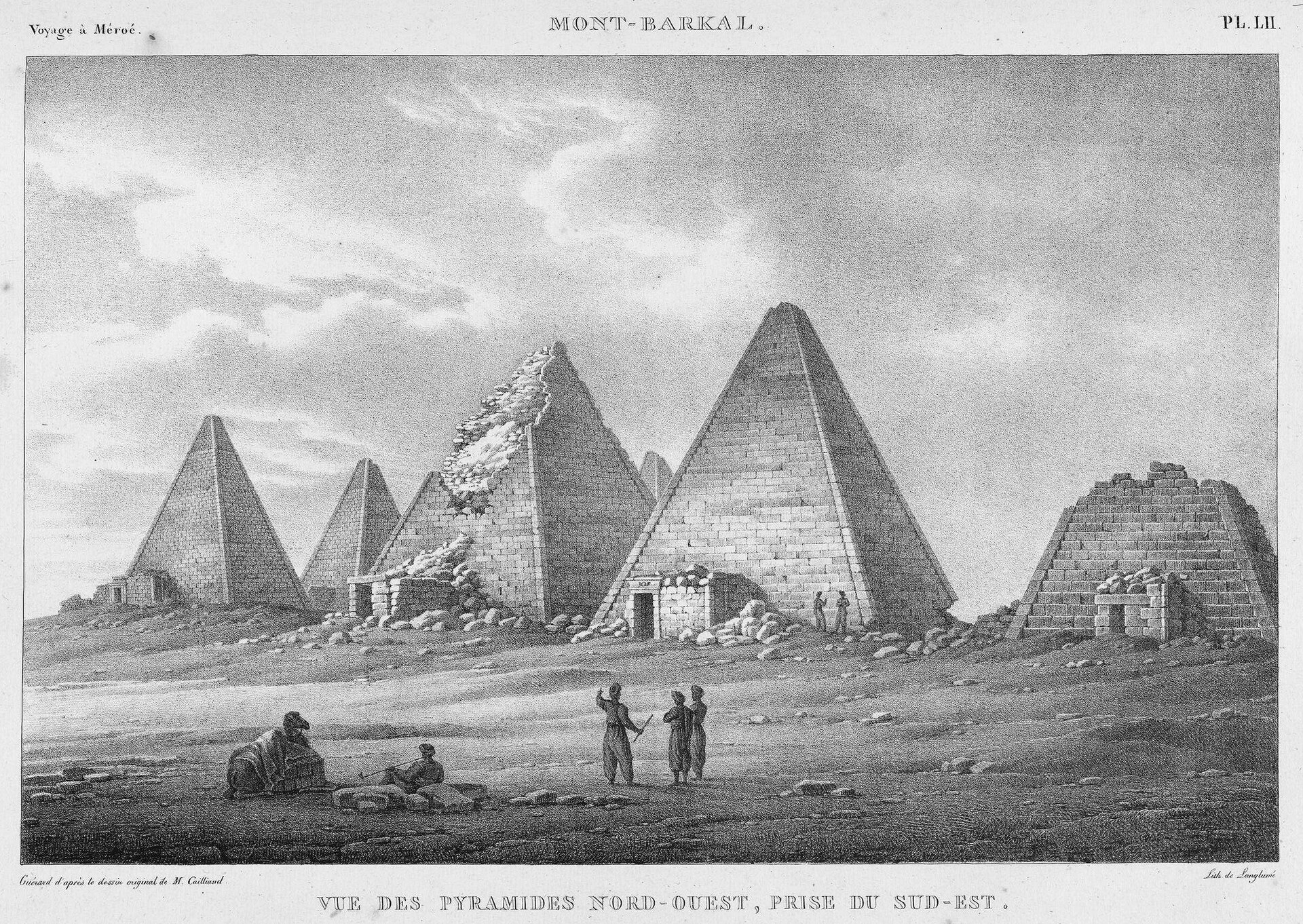
Five archaeological sites over sixty kilometres of the Nile, the temples, palaces and pyramids of Napata, the Kushite capital from which the Nubian pharaohs ruled Egypt. The sacred mountain of Gebel Barkal was held holy by Egyptians and Kushites alike as a dwelling of the god Amun.

The heartland of Kush from the eighth century BCE to the fourth century CE, a desert landscape between the Nile and the Atbara holding more than two hundred Nubian pyramids. The later capital of the Kushite kings and queens, with its own Meroitic script and a civilisation that traded from the Mediterranean to the Red Sea.

The capital of the Aksumite Empire, which controlled trade between the Roman world and India from the first to the thirteenth century. Its giant carved stelae mark the southern edge of the corridor, where the civilisation of the Nile met the world of the Red Sea, and where, like Egypt, an early Christian kingdom took root.
When the security situation allows, Southern Cross intends to extend this corridor southward, into Nubia and toward the Ethiopian highlands, as a future chapter. Until then, these sites are presented as history, not as a destination.
Six UNESCO World Heritage Sites
Five cultural and one natural, across four cultures of the Nile. The pharaonic, Islamic and early Christian sites form the travelled route along and beside the river; the fossil valley of Wadi Al-Hitan lies off the river and is offered as an optional extension.
Wadi Al-Hitan lies away from the Nile axis and is offered as an optional extension of one to two days. Egypt's seventh World Heritage Site, the Saint Catherine Area in Sinai, sits in a different region and a different story, and is travelled as part of a separate Egyptian journey.
Designed Around You
This itinerary is a route framework, not a fixed departure. Each Southern Cross journey is privately curated around your dates, travel rhythm, interests and preferred level of comfort. The route can be shortened, extended, or combined with another SCE journey — subject to aviation logistics and operational feasibility.
The Nile cruise can be lengthened or shortened, and the optional extension to Wadi Al-Hitan in the Western Desert added to take in all six World Heritage Sites along and beside the river. The Egyptian Nile pairs naturally with the wider North African heritage journeys, and connects thematically to the Indian Ocean trade world that carried African gold and ivory eastward.
Pair with Tunisia and its Mediterranean World Heritage or Morocco and its Trans-Sahara Trade Route for a wider journey across the civilisations of the North.
The southern continuation of the corridor, Gebel Barkal and Meroe in Sudan and Aksum in Ethiopia, is documented in full in the route Companion and held as a future chapter, to be activated when the security situation allows.
Fly-In World Heritage Expeditions
This expedition is part of the Southern Cross Fly-In World Heritage Expeditions — journeys reaching Africa's natural and cultural World Heritage by air and by river, understood, not just visited.
Indicative accommodation examples, selected for location and character. Final accommodation is confirmed during private route design. References to UNESCO World Heritage Sites are factual references to sites inscribed on the UNESCO World Heritage List. Southern Cross Experiences is an independent travel company and does not imply UNESCO endorsement of its journeys. The Nubian sites of Gebel Barkal and Meroe in Sudan and the site of Aksum in Ethiopia are described for historical context only and do not form part of the travelled route; Sudan and the relevant regions of northern Ethiopia are currently not travellable for security reasons. All routings, cruise and charter arrangements, access and internal flights are subject to availability, security assessment and final operational validation.