
Twenty days, nine stations, six UNESCO World Heritage Sites — along a cultural geography that spans the depth of human presence in southern Africa.
This is not a journey of stops on a map. It is a journey along a coherent cultural geography — from the painted shelters of the San hunter-gatherers ten thousand years ago, through the gold-trading kingdoms that connected the African interior to Persia, Arabia, India, and Song-dynasty China, to the political moment that defined the modern South African state. Six UNESCO World Heritage Sites sit within the journey itself. Few journeys in the African luxury market carry this density of historical substance; fewer still carry it as a coherent narrative rather than as accidental adjacency.

| Days | Station | Nights | Heritage Highlight | |
|---|---|---|---|---|
| 1 – 2 | Victoria Falls, Zambia | 2 | Mosi-oa-Tunya (UNESCO) | ▼ |
The journey begins at Mosi-oa-Tunya — "the smoke that thunders" — where the Zambezi falls 108 metres into a basalt gorge along a 1.7-kilometre front. A heritage hotel with direct private access to the river above the falls. Flight of AngelsZambezi Sundowner CruiseDevil's Pool (seasonal)Victoria Falls Bridge 1905White-Water Rafting (seasonal)
| ||||
| 3 – 5 | Malilangwe Wildlife Reserve, Zimbabwe | 3 | Great Zimbabwe (UNESCO) · Malilangwe rock art | ▼ |
Indicative accommodation: a wilderness lodge on a granite outcrop overlooking 130,000 acres of wilderness toward the Chilojo Cliffs of Gonarezhou. Black rhino, lion, leopard, elephant, and Cape buffalo in significant numbers. Day 4: Heritage Day-Trip to Great Zimbabwe — private charter to Masvingo, three to four hours among the Hill Complex, the Great Enclosure, and the Conical Tower. The reserve also holds important San rock-art sites in granite shelters. Great Zimbabwe Day-TripMalilangwe Rock ArtBig FiveWalking SafariBoating on Malilangwe DamCommunity Project
| ||||
| 6 – 7 | Northern Tuli, Botswana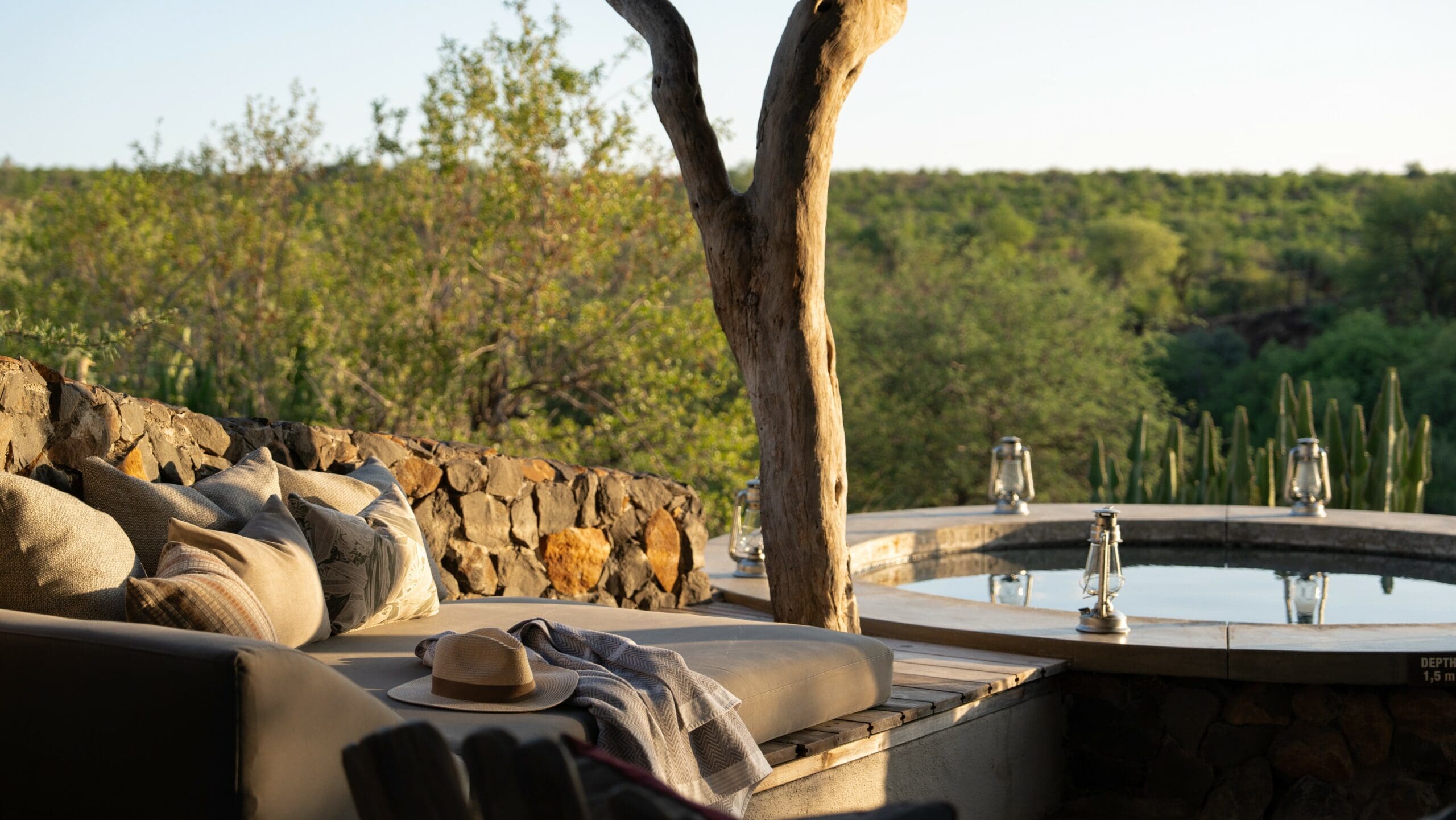 | 2 | Mapungubwe (UNESCO) | ▼ |
At the confluence of the Limpopo and Shashe rivers — the geography that gave rise to the Mapungubwe kingdom. One of Africa's largest privately owned game reserves, known as the "Land of Giants" for its high elephant concentration. The open mopane savanna offers photographic clarity rarely matched in the bushveld. Full-day excursion to Mapungubwe National Park (UNESCO) on the South African side included, subject to border and river-crossing logistics. Mapungubwe UNESCOPhotographic HideHorseback SafariMountain BikingStar Bed Sleep-Out
| ||||
| 8 – 9 | Manyeleti Reserve, Greater Kruger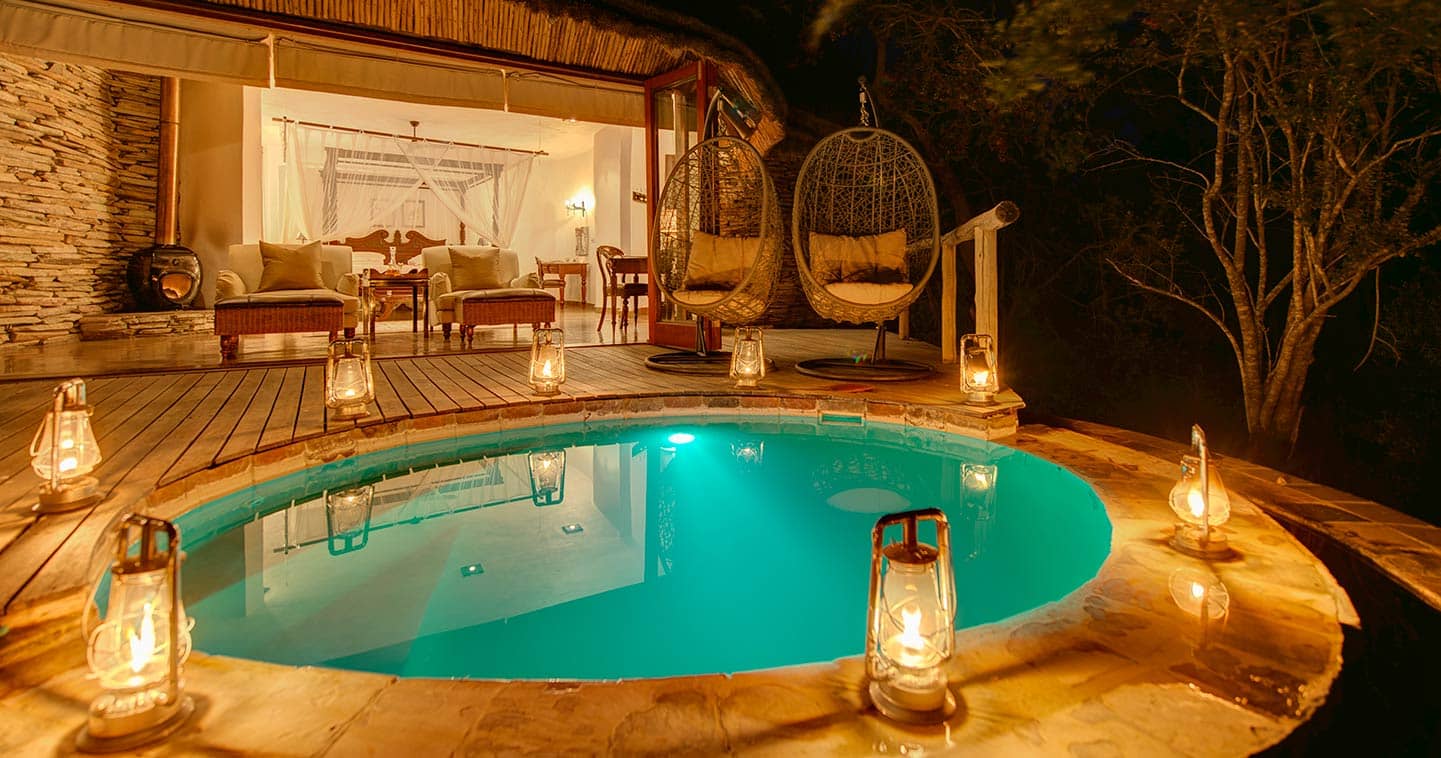 | 2 | Greater Kruger conservation | ▼ |
The Manyeleti — Tsonga for "place of stars" — shares unfenced borders with Kruger National Park and the Sabi Sand Reserve. A 2.4-million-hectare open ecosystem. Explorer-themed suites along a dry riverbed. Family-owned, with substantially fewer vehicles and less interrupted sightings than the more famous adjacent reserves. Big FiveBush WalkBush DinnerTsonga CultureHot-Air BalloonEndangered Species Centre
| ||||
| 10 – 11 | Kamberg Valley, Drakensberg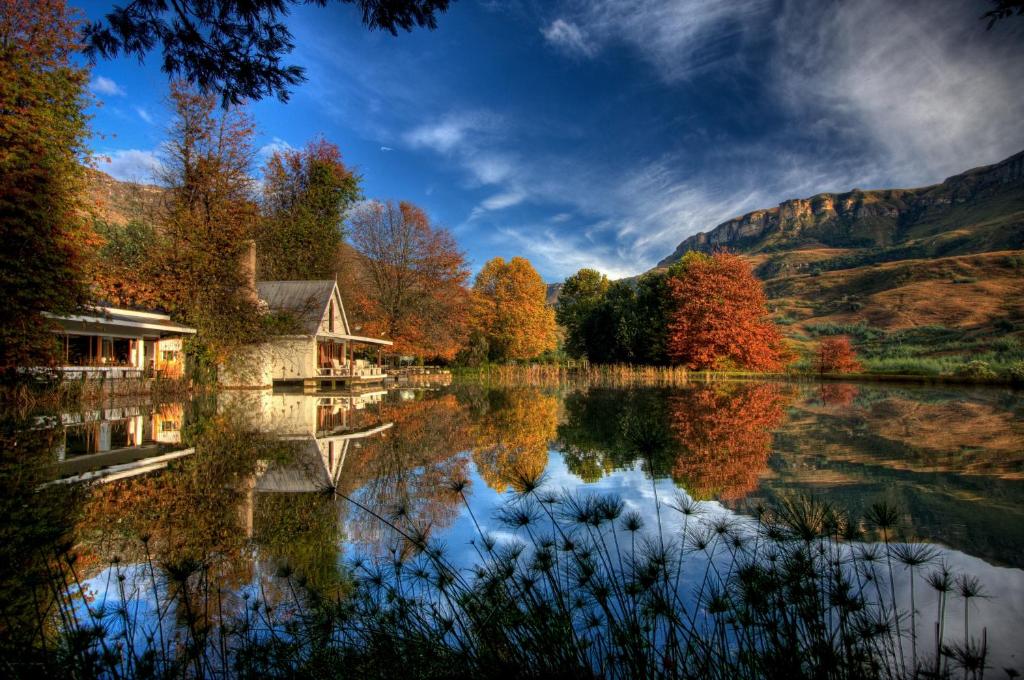 | 2 | Maloti-Drakensberg (UNESCO) · San rock art · Basotho culture | ▼ |
A Relais & Châteaux property at 1,800 metres altitude, fifteen minutes from the Game Pass Shelter with its 35,000 documented San rock-art images. Helicopter flight over the dramatic Drakensberg escarpment and Sani Pass. The 4x4 drive up Sani Pass crosses into Lesotho — Africa's only country entirely above 1,000 metres. Traditional Basotho cultural village, famous Basotho ponies, highest pub in Africa. The kitchen is among the finest in South Africa. Sani Pass requires passports; this is a full-day excursion with a transfer to Himeville of approximately 2.5 hours each way. Helicopter DrakensbergSani Pass 4x4San Rock ArtBasotho Cultural VillageMountain KingdomTasting Menu
| ||||
| 12 – 13 | Eastern Cape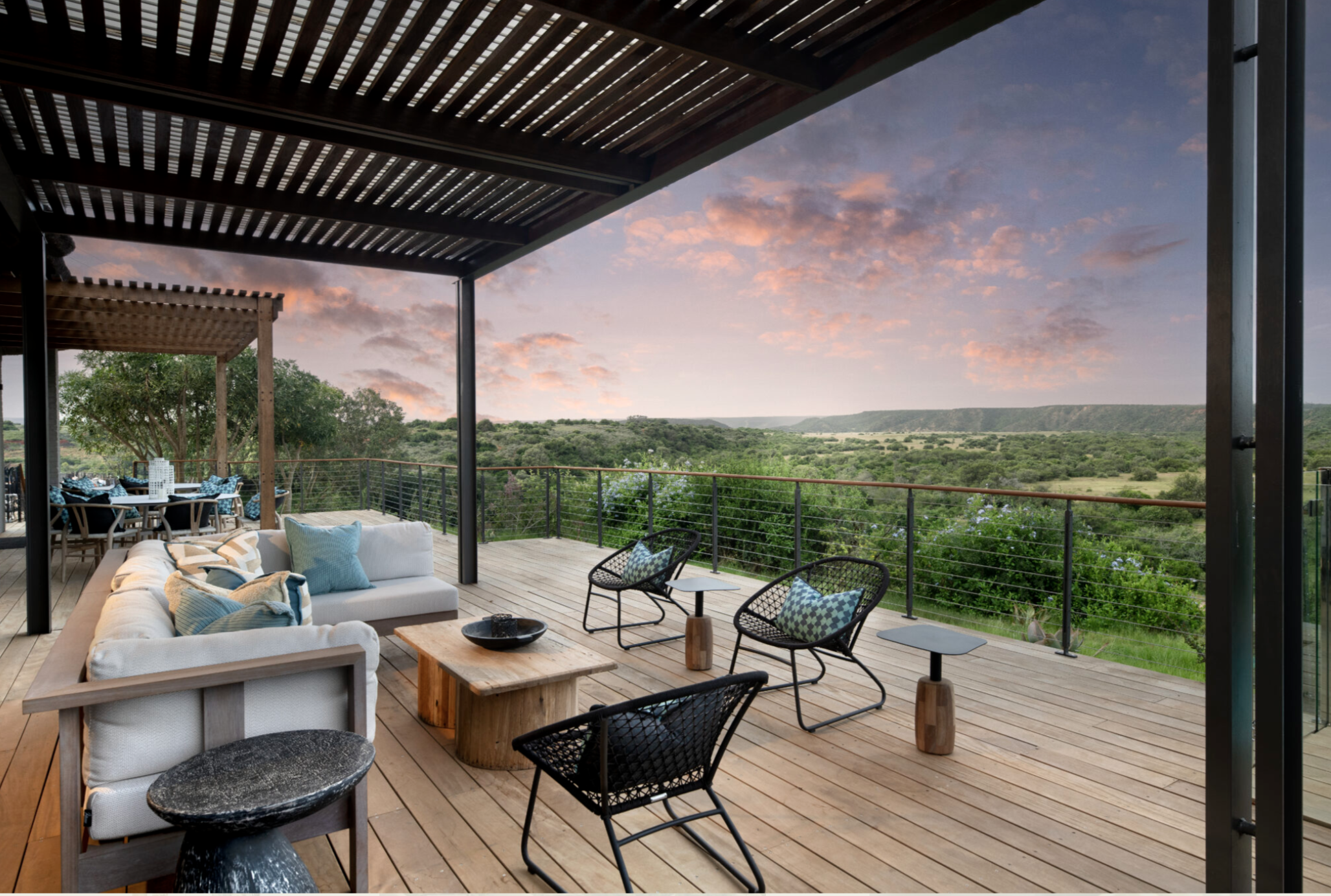 | 2 | Albany Thicket biome · 1820 Settler country | ▼ |
The first private game reserve in the Eastern Cape — 25,000 hectares restored from degraded farmland to a Big-Five reserve. Malaria-free. The Albany Thicket biome is botanically distinct from any prior chapter of the journey. The Eastern Cape carries the dense history of the Xhosa Wars and the geography from which Nelson Mandela emerged. Big FiveMalaria-FreeBorn Free SanctuaryWildlife RehabilitationAddo Elephant NPBathurst Settler Country
| ||||
| 14 – 15 | Plettenberg Bay, Garden Route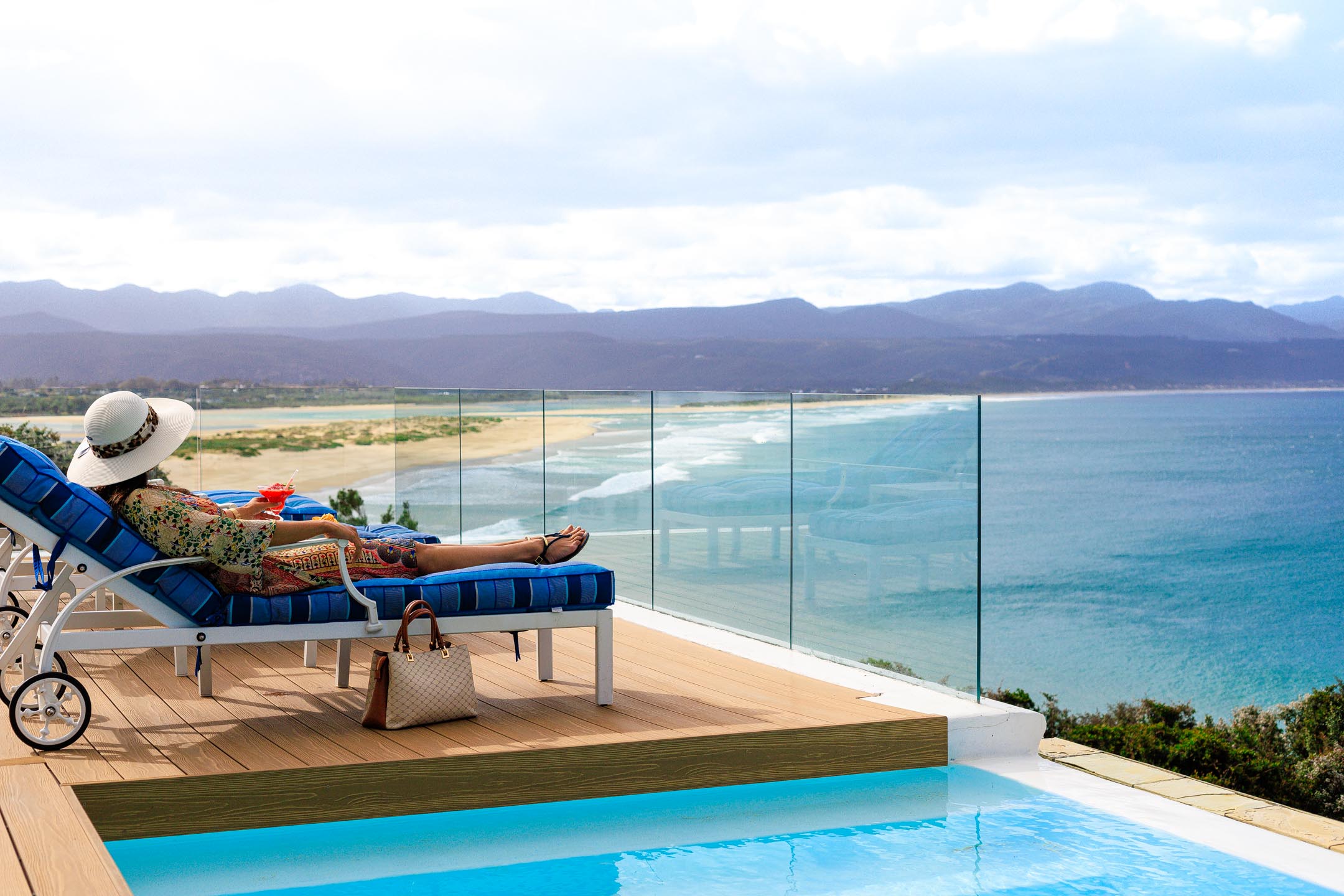 | 2 | Robberg Peninsula | ▼ |
A granite headland hotel with full ocean views. The Robberg Nature Reserve offers one of the most beautiful coastal walks in South Africa, with Cape fur seal colonies and a fossilised dune over 2,000 years old. Knysna and the Tsitsikamma are within easy reach. Robberg WalkKnysna LagoonTsitsikammaCanopy TourWhale Watching (seasonal)Seafood at the Sands
| ||||
| 16 – 17 | Hermanus, Cape Whale Coast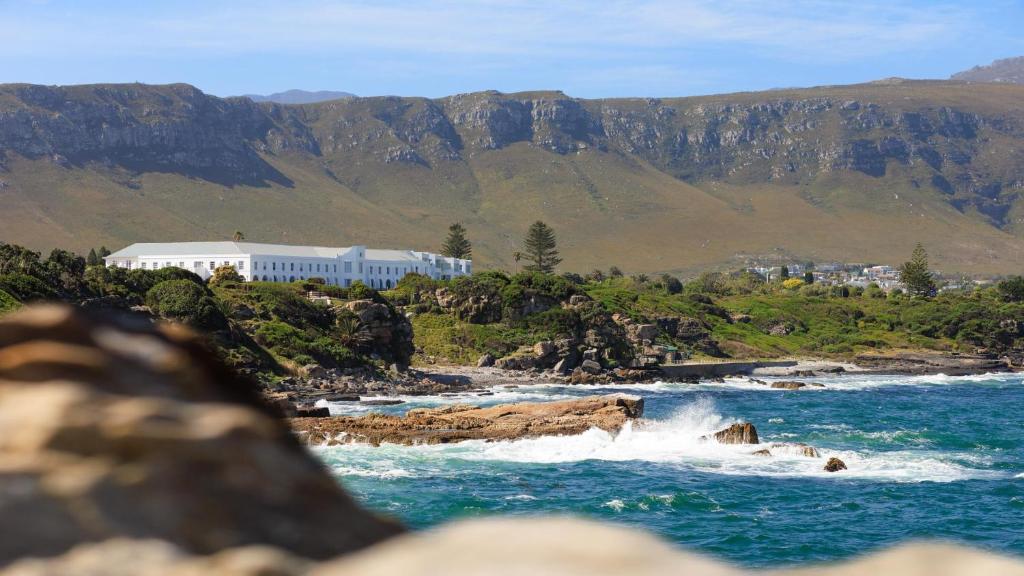 | 2 | Cape Whale Coast | ▼ |
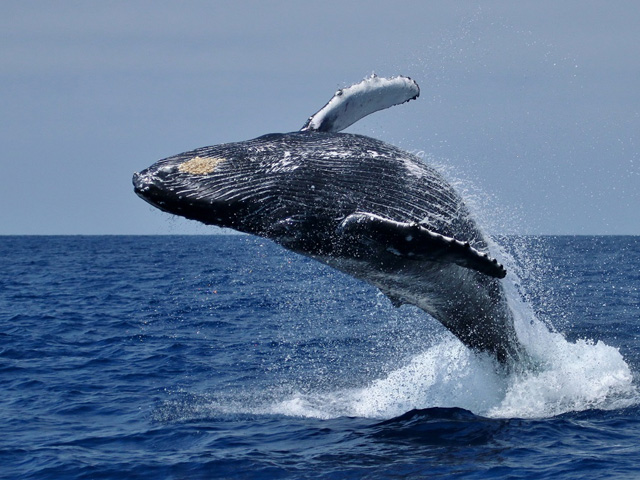
Clifftop position above Walker Bay — one of the world's foremost land-based whale-watching sites. Southern right whales arrive June through November, often within fifty metres of the twelve-kilometre cliff path. Outside the whale season, the chapter shifts to fynbos, wine and coast. The Hemel-en-Aarde Wine Valley, particularly strong on Pinot Noir and Chardonnay, is thirty minutes away. Stony Point penguin colony at Betty's Bay nearby. Cliff-Path WalkWhale Watching (Jun–Nov)Hemel-en-Aarde WinesPenguin ColonyFernkloof FynbosShark Cage Diving
| ||||
| 18 – 19 | Cape Town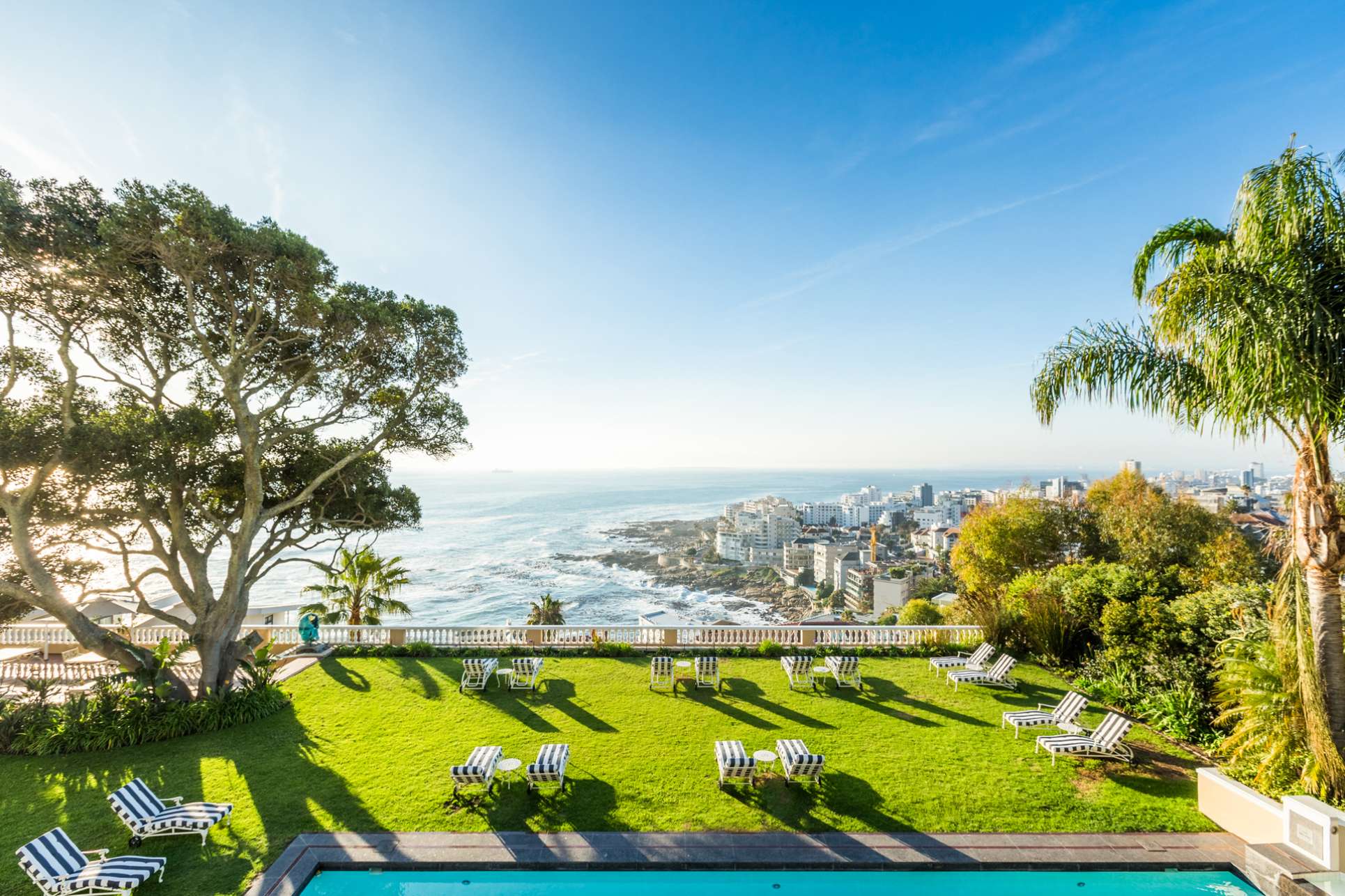 | 2 | Cape Floral Region (UNESCO) · Robben Island (UNESCO) | ▼ |
A Relais & Châteaux property at Bantry Bay with one of the country's most significant private art collections. The journey closes on two UNESCO World Heritage Sites: the Cape Floral Region — the smallest of the world's six floral kingdoms — and Robben Island, where Nelson Mandela spent eighteen years. Table Mountain, the Cape Peninsula, Constantia wine estates, and Kirstenbosch are all within reach. Robben Island ferries are subject to weather. Robben Island UNESCOTable MountainCape PeninsulaConstantia WinesKirstenboschBo-KaapLa Colombe
| ||||
| 20 | Departure | — | — | |
Click on a station to discover more
19 nights · 20 days — Six UNESCO World Heritage Sites along the route
The earliest cultural layer of the journey is also its oldest. The San left in the sandstone overhangs of the Maloti-Drakensberg one of the largest concentrations of prehistoric rock art on the continent: more than thirty-five thousand documented painted images. The most famous, the Game Pass Shelter in the Kamberg Valley, contains the eland-and-trance composition that transformed our understanding of San cosmology. Inscribed as the Maloti-Drakensberg Park in 2000, extended in 2013.
Where the Zambezi falls 108 metres into a basalt gorge along a 1.7-kilometre front, Mosi-oa-Tunya opens the journey. The first of the route's six inscribed sites, it sets the natural register against which the human chapters that follow are read.
At the confluence of the Limpopo and Shashe rivers, the kingdom of Mapungubwe rose as one of the earliest complex states of southern Africa. Its wealth flowed from gold traded to Persia, Arabia, India, and Song-dynasty China. The gold-foil rhinoceros is held in the University of Pretoria's collection. UNESCO World Heritage Site since 2003.
As Mapungubwe declined, its successor kingdom rose on the Zimbabwean plateau. Great Zimbabwe became the trading capital of a Shona kingdom that held a central place in southern Africa's gold trade for three centuries. Its dry-stone walls reached eleven metres, its conical towers remain debated. UNESCO World Heritage Site since 1986.
The Cape Floral Region is the smallest of the world's six floral kingdoms — yet the one with the highest proportion of endemic species. Listed as a serial site of protected areas including Table Mountain National Park and the Cape of Good Hope, it is the natural inheritance of the journey's southern terminus. The transition from the bushveld of the north to the fynbos of the Cape is one of the most dramatic botanical shifts on the continent.
Robben Island closes the chronological arc of the journey at its most recent layer: the cell that held Nelson Mandela for eighteen of his twenty-seven years of imprisonment, now operated as a museum reached by ferry from Cape Town's V&A Waterfront. The transition from medieval kingdom to modern political memory is the journey's narrative spine.
The journey begins at Mosi-oa-Tunya — where the Zambezi falls 108 metres into a basalt gorge along a 1.7-kilometre front. Direct private access to the river above the falls, zebras and giraffes crossing the parkland freely.
A wilderness lodge on a granite outcrop overlooking 130,000 acres of wilderness. Day 4: Heritage Day-Trip to Great Zimbabwe — private charter to Masvingo, three to four hours among the Hill Complex, the Great Enclosure, and the Conical Tower. Day 5: wilderness day on the property.

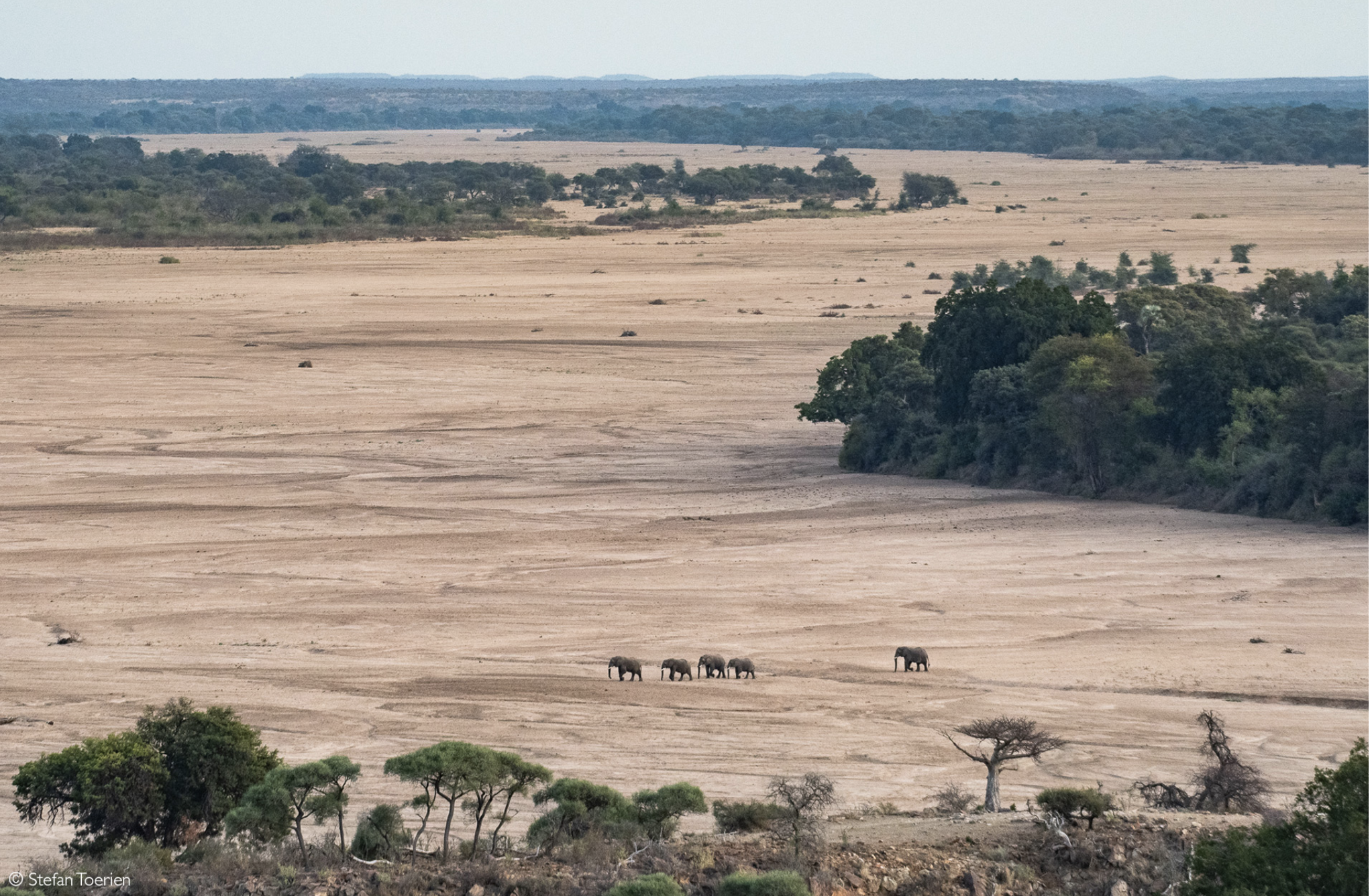
At the Limpopo-Shashe confluence — the geography of the Mapungubwe kingdom. High elephant concentration, exceptional leopard populations, and the photographic clarity of open mopane savanna. Full-day excursion to Mapungubwe National Park included, subject to border and river-crossing logistics.
The Manyeleti — Tsonga for "place of stars" — shares unfenced borders with Kruger and Sabi Sand. Explorer-themed suites along a dry riverbed. Family-owned, substantially fewer vehicles than adjacent reserves.

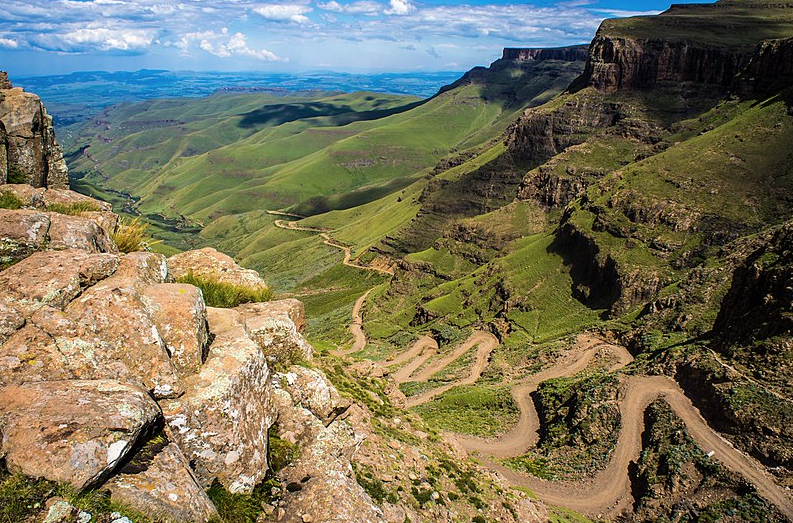
This chapter is the oldest, in the deepest cultural sense. A Relais & Châteaux property at 1,800 metres altitude — fifteen minutes from the Game Pass Shelter, with its 35,000 documented San rock-art images. A helicopter flight over the dramatic Drakensberg escarpment and Sani Pass offers the most spectacular perspective on this landscape. The 4x4 drive up Sani Pass crosses into Lesotho — Africa's only country entirely above 1,000 metres. Visit a traditional Basotho cultural village, see the famous Basotho ponies, and toast at the highest pub in Africa. The Sani Pass excursion is a full day and requires passports.
The first private game reserve in the Eastern Cape — 25,000 hectares restored to a Big-Five reserve. Malaria-free. Botanically distinct Albany Thicket biome. The Eastern Cape carries the history of the Xhosa Wars and the geography from which Nelson Mandela emerged.
Set on a granite headland with full ocean views. Robberg Nature Reserve, Knysna, and the Tsitsikamma are within easy reach.
Clifftop above Walker Bay — one of the world's foremost land-based whale-watching sites. Southern right whales arrive June through November, often within fifty metres of the twelve-kilometre cliff path. Outside the whale season, the chapter shifts to fynbos, wine and coast. Hemel-en-Aarde Wine Valley thirty minutes away.

A Relais & Châteaux property with one of the country's most significant private art collections. The journey closes on two UNESCO sites: the Cape Floral Region and Robben Island — where Nelson Mandela spent eighteen years. Robben Island ferries are subject to weather. The contrast between deepest natural inheritance and most recent political memory is the closing note.
Transfer to Cape Town International — or onward to the Wonders Extension operated by our aviation partner.
| Transfer | Airstrip → Lodge | Distance | Indicative Flight Time |
|---|---|---|---|
| Livingstone → Victoria Falls | Livingstone Airport — 15 min road | — | — |
| Victoria Falls → Malilangwe | On-site airstrip — 10 min | ~730 km | ~2 hrs 45 min |
| Malilangwe → Great Zimbabwe (day-trip) | — | ~150 km | ~35 min |
| Malilangwe → Northern Tuli | On-site airstrip — 10 min | ~380 km | ~1 hr 30 min |
| Northern Tuli → Greater Kruger | Hoedspruit — 75 min road | ~280 km | ~1 hr |
| Greater Kruger → Drakensberg | Pietermaritzburg — 90 min road | ~620 km | ~2 hrs 20 min |
| Drakensberg → Eastern Cape | On-site airstrip — 5 min | ~580 km | ~2 hrs 10 min |
| Eastern Cape → Plettenberg Bay | Plettenberg Bay Airport — 10 min | ~250 km | ~1 hr |
| Plettenberg Bay → Hermanus | Stanford Airfield — 20 min road | ~370 km | ~1 hr 40 min |
| Hermanus → Cape Town | — | ~130 km | Road transfer — up to 2 hrs |
Cross-border sectors are routed via confirmed airports of entry and are subject to immigration, customs, operating hours, landing permissions and weather conditions. Flight times are indicative. Final routings, aircraft and airstrips are confirmed during private journey design.
Flights are typically operated by Cessna Grand Caravan or comparable safari aircraft, subject to passenger numbers, luggage, weather, airstrip conditions, permits and border-clearance requirements. Soft luggage and weight limits apply on all safari sectors.
This itinerary is a route framework, not a fixed departure. Each Southern Cross journey is privately curated around your dates, travel rhythm, interests and preferred level of comfort. The route can be shortened, extended, or combined with another SCE journey — subject to aviation logistics and operational feasibility.
The Eastern Cape is offered as a conservation-and-landscapes extension, and Hermanus as a whale-season extension from June to November. Stations, pace, accommodation and travel style are shaped around each guest. Gateway extensions — Cape Town, Zanzibar, Victoria Falls — can be added. Indicative accommodation examples are selected for location, character and their relationship with conservation or community initiatives; final accommodation is confirmed during private route design.
Each lodge has been chosen because I know its proprietors directly. Each historical site has been integrated because the route has a thesis — that the geography of southern Africa carries an architecture of culture and trade that long predates the maps we now use.
The journey ends on Robben Island — and it does not end there by accident. A journey that begins in the painted shelters of the San and concludes in the cell that held Nelson Mandela carries, at its core, an arc that means something.
Founder & Director, Southern Cross Experiences (Pty) Ltd.
Chairperson, African Sustainable Tourism Organization
Victoria Falls to Cape Town — twenty days along the cultural geography of southern Africa.
Plan Your Safari